
Mandi is an underrated tourist spot in Himachal Pradesh. It is usually outshone by its more popular counterparts like the hill stations of Shimla or Manali. However, after a day-long tour spent strolling along the banks of the Beas River, my view of the town completely changed.
Mandi is, in fact, a pleasant town with temple complexes, where life seems to unfold at its own quiet natural rhythm. When I came to Mandi, I imagined my visit would be a short stop before I moved towards yet unexplored parts of the Himachal region. However, when I woke up for the first time, I discovered that the town was all about its temples and the local’s simple daily lives.
First Impressions of Mandi Along the Beas River
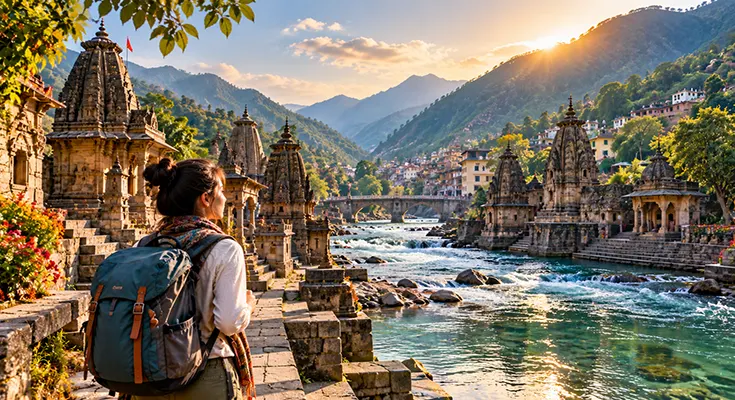
Mandi sits directly along the Beas River, with much of the town built close to its banks. Arriving early in the morning meant catching the river at its calmest, before the day’s activity picked up pace. Mist hovered lightly over the water, blending with the sound of temple bells ringing somewhere nearby.
Unlike busier hill towns, Mandi felt unhurried from the very first hour. Locals moved steadily along the riverside, some heading to temples, others going about daily errands. That relaxed rhythm set the tone for the rest of the day.
Walking through Mandi’s Temple Town Reputation
Mandi has also earned the nickname “Chhoti Kashi” because of the number of temples scattered across the entire town. Estimates indicate that the town has more than 80 temples that have been around for quite some time. As a result, going from one temple to another takes less effort. Several temples showcased stone carvings on their outer walls that showed signs of wear but still maintained the intricate designs.
Mandi’s Bhootnath Temple and Its Riverside Setting
The Bhootnath Temple, which is dedicated to Lord Shiva, was the most important temple of the day. The temple is located right on the riverbank and is designed in the typical hill style of architecture. I saw locals making their way through the temple and offering prayers along the way.
Sitting near the temple steps, watching the river flow just metres away, offered a quiet pause before continuing further into town. This combination of water and worship, repeated across several temples in Mandi, became a recurring theme throughout the day.
Exploring Smaller Temples in Mandi Along the Way
As we visited the smaller temples in Mandi, we found several located on narrow streets while others sat along the main roads. The presence of Panchvaktra temple, located at the junction of Beas and Suketi, made our exploration of temples more interesting. It was conveniently located where two rivers confluenced, and it was a natural vantage point for our explorations.
Every temple possessed its own flair. Some of them were quiet and devoid of visitors, while others were crowded with local worshippers. It was exciting to meander through those temples freely and spontaneously.
Local Life Along the Ghats in Mandi
The ghats of the Beas River were busy as well. Religious rituals took place there throughout the day along with local activities. Women could be seen washing linen close to the riverbank while children were playing nearby. They seemed hardly affected by the constant flow of the crowd passing through the temples.
Vendors selling flowers, prasad, and small religious items lined the paths leading to the main temples. Simple conversations with a few shopkeepers revealed how deeply temple life remains tied to everyday routine in Mandi, rather than existing purely for tourism.
Food in Mandi that Matched the Day’s Pace
A short lunch break introduced simple Himachali food, largely vegetarian and mildly spiced. Dishes made with local lentils and seasonal vegetables felt appropriate for a day spent walking slowly between temples. Nothing about the meal felt rushed, matching the overall pace.
Tea stalls near the main market stayed busy throughout the afternoon, offering a quick pause between temple visits. These small breaks, simple as they were, added structure to an otherwise loosely planned day of exploration.
Mandi: A Town that Deserves More Than a Day
Several hotels in Mandi are located near the town’s primary ghats, helping me to explore the town’s offerings over an extended period. A single day spent visiting Mandi’s riverside temples helped me understand much about the place and its locals. The temples along the river, ancient settlements, ghats, and the daily activities of the locals made Mandi a lively place.
Bhootnath Temple and Panchvaktra Temple were memorable stops, but some of the quieter moments between them were just as rewarding. By evening, I realised one day was not enough to understand Mandi fully. The town had offered a slower, more intimate side of Himachal that I would gladly return to explore further.