

Key Takeaways:
- Dubai Free Zones offer 100% foreign ownership, full repatriation of profits, and tax exemptions, making them ideal for startups.
- Selecting the appropriate Free Zone is crucial, depending on your business activity, budget, and specific industry focus.
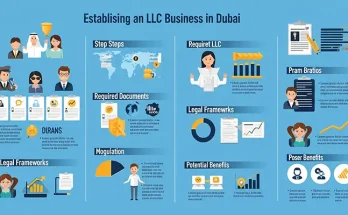
- The setup process involves choosing a legal structure, preparing documentation, obtaining a license, and securing visas.
- Understanding and fulfilling compliance requirements, including annual renewals and audits, is essential for continued operation.
- Dubai South Business Hub provides a supportive ecosystem and infrastructure tailored for new businesses and startups.
Starting a new venture in a foreign land can seem daunting, but Dubai offers a structured and highly supportive environment for entrepreneurs, particularly within its various Free Zones. These special economic zones are designed to attract foreign investment by providing unique incentives and streamlined processes. For a startup looking to establish a strong regional or international presence, knowing how to Setup Business in Dubai Free Zone is a strategic move. This article outlines the step-by-step process for aspiring business owners.
Understanding Dubai Free Zones for Startups
Dubai’s Free Zones are specific areas offering special tax, customs, and import regimes, differing from the mainland. Key benefits for startups include 100% foreign ownership, full repatriation of capital and profits, zero corporate and personal income taxes (often for a specified period), and simplified customs procedures. Each Free Zone typically caters to specific industries or types of businesses, such as media, healthcare, logistics, or technology. Understanding these core advantages is the first step in planning your business setup, as they significantly reduce barriers to entry and operational costs for new companies. They provide an attractive ecosystem for entrepreneurs seeking to grow their business in the Middle East and beyond.
Selecting the Right Free Zone and Business Activity
Choosing the correct Free Zone is paramount. Dubai hosts over 40 Free Zones, each with its own focus, licensing categories, and fee structures. For instance, Dubai Internet City is ideal for tech startups, while Dubai Media City suits media companies. Logistics firms might prefer Dubai South. Criteria for selection should include your intended business activity, the types of licenses offered, setup costs, office space requirements, and access to specific industry networks. It is important to match your business concept with a Free Zone that truly supports and aligns with your operational needs. Researching the specific regulations and advantages of zones pertinent to your industry will streamline your decision-making process.
Legal Structure and Company Naming Conventions
When you Setup Business in Dubai Free Zone, you will typically choose between a Free Zone Establishment (FZE), a Free Zone Company (FZCO), or a branch of an existing foreign company. An FZE is a single shareholder company, while an FZCO allows for multiple shareholders (individuals or corporate entities). Your choice depends on the number of owners and the legal structure of your parent company if you are setting up a branch. Naming conventions are also important; names must be unique, not violate public morality, and often require approval from the respective Free Zone authority. It is advisable to have several name options ready when submitting your application.
Documentation and Application Process Overview
The application process involves several key documents. Generally, you will need passport copies of all shareholders and managers, an entry stamp or visa copy, a No Objection Certificate (NOC) from your current sponsor if you are residing in the UAE and working for another company, and a detailed business plan. Some Free Zones may also require bank reference letters or proof of funds. The process typically begins with submitting a company registration application along with initial documents to the chosen Free Zone authority. This is followed by security checks and initial approvals. Accuracy and completeness of documents are critical to avoid delays.
Obtaining Your License and Visa Procedures
Once the initial approvals are secured, you can proceed to obtain your trade license. This license permits your business to operate within the specific Free Zone and conduct the approved activities. Simultaneously, you will initiate the visa application process for yourself, your employees, and any dependents. This involves applying for an establishment card, entry permit, medical fitness test, Emirates ID registration, and visa stamping on your passport. The number of visas allocated to your company often depends on the type of office space rented and the Free Zone’s specific regulations. A local bank account will also need to be opened for the company, which often requires the trade license and other corporate documents.
Office Space and Operational Facilities
Free Zones offer a variety of office solutions to cater to different startup needs and budgets. Options range from virtual offices and flexi-desks (shared workstations) to dedicated executive offices and larger custom-built spaces. Many startups begin with more cost-effective flexi-desk options, which still provide a physical address and often shared facilities, and scale up as their business grows. The choice of office space directly influences your visa quota and ongoing operational costs. Carefully evaluating your current and projected space requirements is essential for a sustainable setup.
Post-Setup Compliance and Growth Trajectory
After successfully establishing your business, adherence to ongoing compliance is crucial. This includes annual renewal of your trade license and tenancy agreements, filing of annual audited financial statements (required by many Free Zones), and adhering to local labor laws and regulations. Neglecting these can lead to fines or even license revocation. Dubai’s Free Zones are not just about initial setup; they are designed to foster growth. As your startup matures, you may explore opportunities to expand into mainland Dubai, open additional branches, or even expand internationally, leveraging Dubai’s strategic location and business networks. Proactive compliance ensures a smooth operational path.
How Dubai South Business Hub Can Help: For startups looking for a dynamic and supportive environment, the Dubai South Business Hub stands out. Positioned as a global commercial and logistics hub, it offers a future-forward ecosystem. It provides bespoke packages tailored for new businesses, allowing them to benefit from cost-effective setup options, flexible office solutions, and a business-friendly regulatory framework. The Dubai South Business Hub is strategically located near Al Maktoum International Airport and Jebel Ali Port, offering unparalleled connectivity for businesses with international aspirations. Its focus on aviation, logistics, e-commerce, and various other sectors creates a diverse and interconnected community. Startups can leverage its advanced infrastructure, dedicated support services, and access to a vibrant network of businesses, enabling them to scale operations efficiently and tap into new markets. The environment fosters innovation and provides a clear pathway for businesses to thrive from their initial setup through significant growth phases.