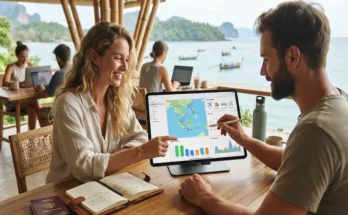


Planning a vacation for yourself is one thing; planning a trip for a sprawling family or a large group of friends is an entirely different logistical beast. If you have ever tried to organize a multi-generational family reunion or a group getaway, you are likely all too familiar with the chaos: endless group chat threads pinging at all hours, conflicting spreadsheets saved across different versions, and important booking links buried beneath weeks of casual conversation. Fortunately, modern collaborative online trip planner apps are transforming group travel logistics from a stressful administrative headache into a seamless, democratic, and genuinely enjoyable shared experience.
The Pain Points of Traditional Group Planning
Before exploring the technological solutions, it is worth examining why traditional planning methods fail so spectacularly when applied to groups.
- The Communication Silo: Relying on standard messaging apps like WhatsApp or iMessage for travel coordination creates an unsearchable wall of text. Crucial decisions about dinner reservations or museum tickets get lost between memes and casual check-ins.
- Spreadsheet Fatigue: While shared Google Sheets offer basic collaboration, they lack intuitive calendar integration, mobile optimization, and interactive mapping. Someone invariably deletes a formula or overwrites a column by accident.
- The Organizer Burnout: In most groups, one person shoulders 90% of the planning burden. This “lead planner” ends up acting as an unpaid travel agent, chasing down RSVP confirmations, collecting money, and absorbing the blame if an activity falls flat.
Must-Have Features in a Collaborative Trip Planner
To break the cycle of group chat chaos, a collaborative travel app must offer specific features tailored to multi-user coordination:
- Real-Time Collaborative Itineraries: Multiple users must be able to view and edit the schedule simultaneously. If a cousin suggests adding an afternoon market visit, it should update instantly on everyone’s screen without sync conflicts.
- Democratic Voting and Polling: Eliminating arguments over where to eat or what tour to book is easier when the app includes built-in voting tools. Members can upvote or downvote options, allowing the group consensus to emerge naturally.
- Expense Splitting and Budget Tracking: Money is the number-one source of friction in group travel. A great app tracks shared costs in real-time, handles multiple currencies, calculates who owes what, and settles balances transparently.
- Centralized Document Storage: Flight confirmations, hotel check-in codes, car rental agreements, and emergency contacts should live in a secure shared vault accessible to all participants, even offline.
Top Use Cases: Families vs. Friend Groups
Collaborative planning tools adapt effortlessly to different group dynamics, each with unique structural challenges:
- Multi-Generational Family Trips: These itineraries require balancing quiet downtime and accessible pacing for grandparents with high-energy activities for children. Clear scheduling notes, color-coded daily views, and flexible free-time blocks keep everyone happy without forcing the whole family to move in lockstep.
- Large Friend Groups or Reunions: Friend groups often involve staggered arrival flights, widely varying budgets, and spontaneous nightlife plans. A shared app makes it easy to coordinate airport pickups, split group dinner bills effortlessly, and allow sub-groups to branch out for specific excursions.
Best Practices for Smooth Group Coordination
Even the best software requires smart human management to run smoothly. Organizers can maintain harmony by following a few simple ground rules:
- Appoint a Facilitator: While planning is collaborative, having a single designated facilitator to set deadlines (e.g., “all accommodation votes must be locked in by Friday”) prevents endless indecision.
- Keep Chat in Context: Use the comments and discussion features built directly into specific itinerary items rather than external chat apps, ensuring feedback stays attached to the exact activity or booking it concerns.
- Build Buffer Time: Do not over-schedule. Group movement is inherently slower than solo travel; always pad transit times and give people room to breathe.
Technology has successfully eliminated the administrative friction of group travel, turning what used to be a frustrating chore into an interactive, creative prelude to the vacation itself. By centralizing your itinerary, democratizing choices, and simplifying shared expenses, collaborative planning apps let you focus on what actually matters: making memories together. Fire up a shared trip planner app, invite your group, and start designing your next unforgettable adventure today.