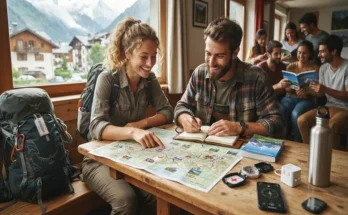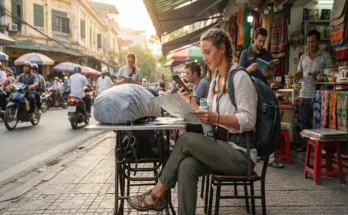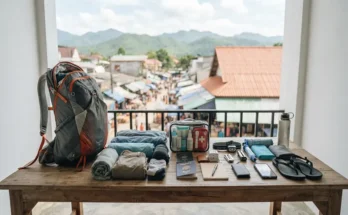
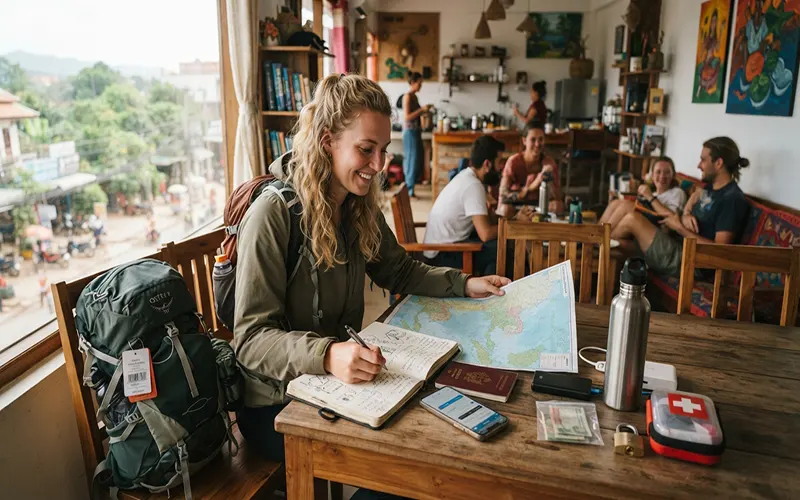
Embarking on a backpacking trip often conjures images of expensive gear, costly guided expeditions, and high-end travel insurance packages. There is a pervasive misconception in the outdoor and travel community that keeping costs low means cutting corners on safety, leaving travelers vulnerable in unfamiliar terrain. In reality, safe travel and strict budgeting are not mutually exclusive. With smart planning, resourcefulness, and proper risk management, you can explore the world affordably without compromising your personal safety or the reliability of your equipment.
Financial Framework: Smart Budgeting vs. False Economy
The foundation of any successful budget trip lies in distinguishing between expenses you can safely minimize and non-negotiables where thriftiness introduces unnecessary hazard.
- Where to Save: You can drastically reduce your daily expenditures by opting for local public transportation, staying in well-reviewed hostels or utilizing backcountry campsites, and eating local market foods rather than tourist-centric restaurants.
- The False Economy: True thriftiness becomes dangerous when applied to risk management. Skimping on comprehensive travel or medical evacuation insurance, relying on a dying smartphone battery instead of a dedicated navigation tool, or hiring unlicensed, unverified operators for technical excursions are examples of false economy.
- The Emergency Buffer: A strict travel budget must always include a dedicated emergency buffer fund—typically 15% to 20% of your total trip cost—reserved exclusively for unexpected medical needs, emergency transport, or sudden gear failure.
Gear & Equipment: Thrift Smart, Not Cheap
Acquiring a reliable backpacking kit can be one of the most expensive barriers to entry, but a smart shopper knows how to source gear safely.
- Where to Save: Look for last season’s models, clearance sales, and reputable second-hand marketplaces for items like backpacks, trekking poles, camp stoves, and sleeping pads. Renting specialized technical gear—such as mountaineering boots, bear canisters, or specialized winter sleeping bags—is also a cost-effective alternative for one-off trips.
- Where to Invest New: Never compromise on footwear, your primary shelter (tent or tarp system), and your sleep system insulation. Ill-fitting boots lead to debilitating blisters and injuries miles away from a trailhead, while a failing shelter during an alpine storm can quickly escalate into a survival situation.
- Weight Management and Familiarity: Budget gear is often slightly heavier than ultra-light premium alternatives. Factor this into your physical training. Furthermore, always test and set up your budget gear in your backyard or a local park before heading into the backcountry to ensure you understand how it operates under pressure.
Research, Logistics, and Route Planning
Meticulous research is your most powerful tool—and it is entirely free. Professional guides and tour agencies charge a premium for logistics that you can manage yourself with proper preparation.
- Leveraging Free Resources: Utilize government land management websites, official park service portals, local community forums, and trail-condition databases to map out your routes, water sources, and regulatory requirements.
- Weather and Emergency Tracking: Monitor regional weather patterns weeks in advance. Download offline topographical maps and digital compass apps, ensuring you have a physical backup map and analog compass.
- The Itinerary Protocol: One of the most critical safety measures costs zero dollars: leaving a detailed itinerary, expected return time, and emergency contact list with a trusted friend or family member back home. Establish a strict check-in schedule so authorities can be alerted promptly if you fail to check in.
Health, Hydration, and Nutrition on a Dime
Maintaining your physical well-being in remote environments requires strategic choices that protect both your wallet and your body.
- Backcountry Nutrition: Ditch expensive pre-packaged freeze-dried meals, which can drain a food budget rapidly. Instead, build your menu around calorie-dense, affordable staples from local grocery stores, such as oats, lentils, nuts, dried fruits, instant rice, tuna foil packets, and peanut butter.
- Water Purification: Buying bottled water on the road is both environmentally unsustainable and financially draining. Invest in an affordable, long-lasting hollow-fiber squeeze filter or chemical treatment drops. Always research water sources along your route beforehand to avoid getting caught without a purification method.
- First Aid and Medical Necessity: Pack a compact, lightweight wilderness first-aid kit tailored to the specific risks of your environment (e.g., blister treatments, antiseptic wipes, antihistamines, and basic trauma supplies). Never let a tight budget override a medical necessity; if an injury or illness exceeds your field-treatment capabilities, seeking professional medical help immediately takes precedence over financial thrift.
Planning a budget backpacking trip without sacrificing safety is an exercise in intentional resourcefulness. By distinguishing between manageable lifestyle compromises and non-negotiable safety essentials, leveraging free logistical data, and refusing to cut corners on critical gear or medical preparedness, you open the door to extraordinary adventures. True exploration is not measured by how much money you spend, but by how intelligently you prepare—ensuring you return home safely to tell the tale.